Silat
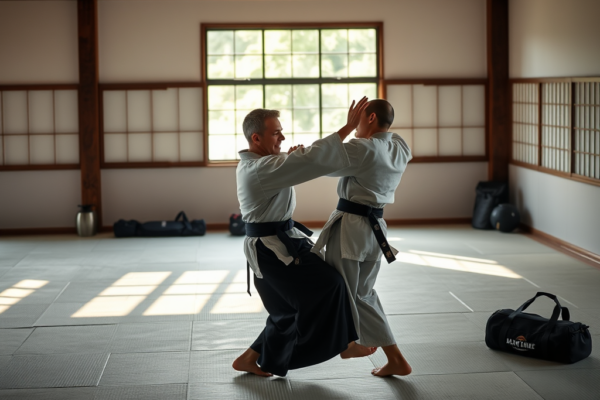
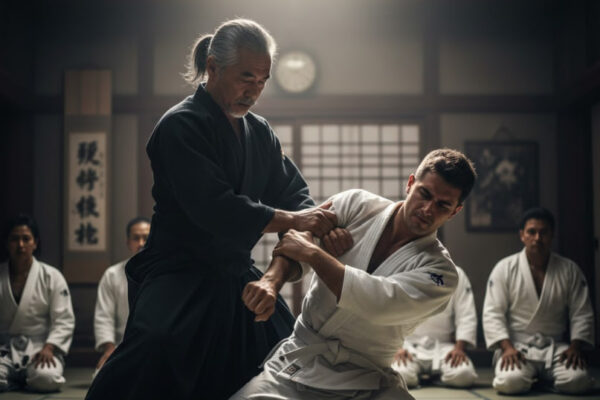
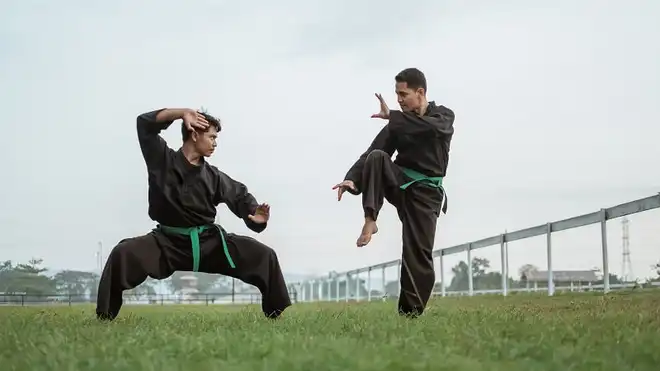
Silat is a martial art from Indonesia. People practice it across Southeast Asia. It emphasizes fluid movement, joint manipulation, and lethal strikes. The region's cultural and spiritual traditions root its techniques. They often blend physical combat with mental focus and meditation.
Techniques and Focus
People know Silat for its:
Fluid Movements: Silat practitioners use graceful, flowing movements. They blend attacks and defenses, making the art look like a dance. This fluidity allows for quick changes in position and direction. It gives practitioners an edge in unpredictable combat.
Joint Manipulation: The art focuses on locks and throws. They use them to control or disable opponents by targeting their joints and bodies. Silat is effective in close-range combat. Subtle movements can have a big impact.
Striking Techniques: Silat uses punches, kicks, elbows, and knee strikes. They hit vital body areas with precision. So, the art is both effective and dangerous in self-defense.
Weapons Training
Silat is a martial art that involves the use of weapons as part of its traditional practice. People see them as extensions of the body. Some common weapons include:
Knives (Pisau) and daggers (Kris) are small blades. Many Silat styles use them for close combat and quick, decisive moves.
Players use sticks (tongkat) for offense and defense. Training with them develops skills for using improvised weapons.
Machetes (parang) and other bladed weapons are often used in advanced training. This reflects the art's focus on real-world applicability.
Regional Styles and Adaptability
Silat is not a single martial art. It is a collection of regional styles, each with unique techniques and philosophies. For example:
Pencak Silat from Indonesia uses complex hand and foot movements and dramatic sweeps.
Bersilat from Malaysia focuses on striking and countering. It blends graceful moves with explosive power.
In Southern Thailand and the Philippines, local fighting traditions adapted variations of Silat. They incorporated techniques from nearby martial arts, like Kali and Eskrima.
Spiritual and Cultural Aspects
Silat, beyond physical training, has a spiritual side. It is often linked to mysticism and traditional rituals. Practitioners may use meditation to boost their combat skills. They seek to cultivate inner strength and mental clarity. Its spiritual element, and a focus on community and tradition, make Silat a holistic martial art.
Adaptability in Combat
One of the core strengths of Silat is its adaptability. You can adjust the techniques for various combat situations. They work for both one-on-one duels and fights against many opponents. This flexibility has let Silat evolve over centuries. It remains relevant as both a traditional art and a modern self-defense system.
Silat is a martial art. It combines deadly strikes, joint locks, and weapon skills. Generations across Southeast Asia have practiced and revered it. Its adaptability and deep cultural roots make it a respected martial art worldwide.