
Kali, Escrima, and Arnis
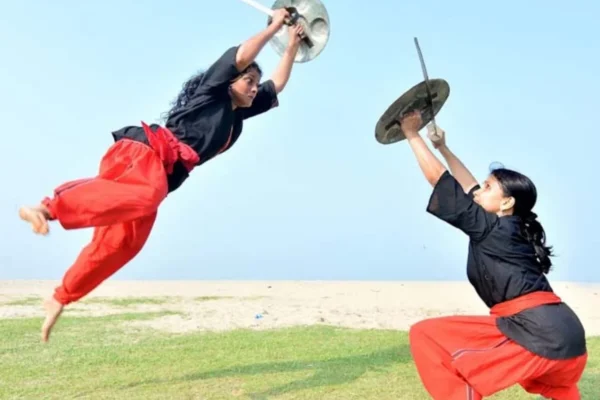
Kali, Escrima, and Arnis are three related martial arts from the Philippines. They have a rich cultural heritage. They are often taught together due to their focus on weapon-based combat.
These martial arts focus on bladed weapons, sticks, and empty-hand techniques. They all stress developing combat skills through sparring and drills. But they also include joint locks and grappling. This makes them versatile in armed and unarmed combat.
Kali
People see Kali as the most complete of the three. It includes a wide range of weapons and techniques. It values fluidity and adaptability. Practitioners can then switch between weapons and styles with ease. Kali practitioners often train in:
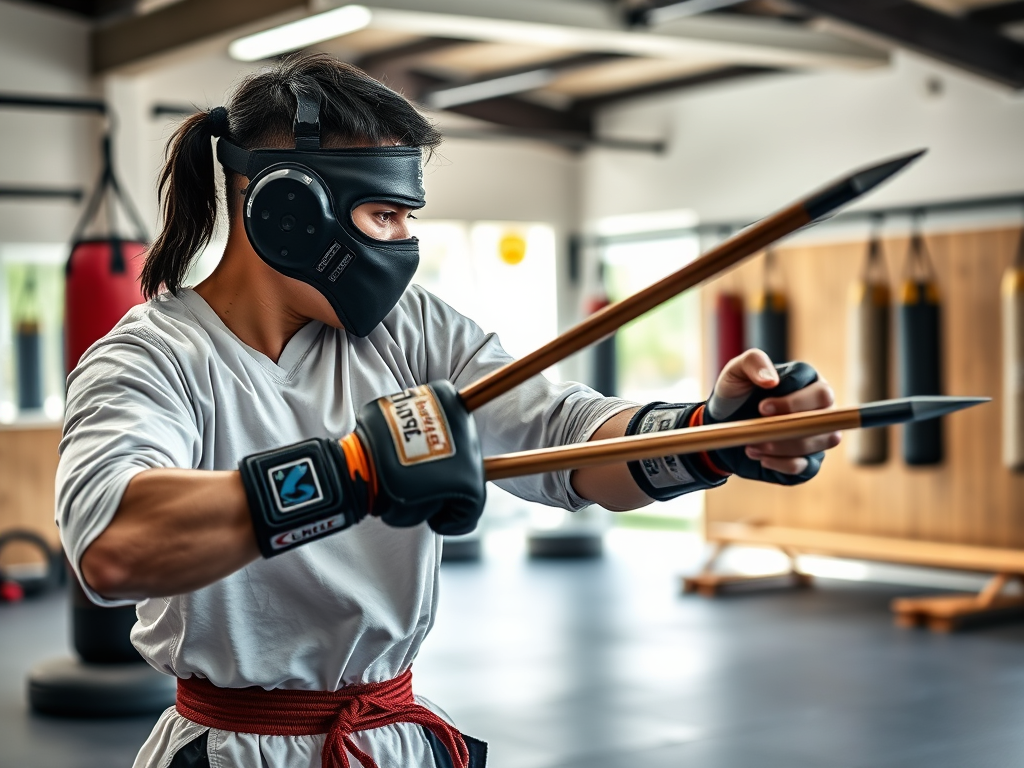
Single Stick and Double Stick: Techniques for both offensive and defensive maneuvers.
Bladed Weapons: Training with knives and other edged tools. It focuses on cutting and thrusting attacks.
Empty-Hand Techniques: They apply weapon-training principles to unarmed combat. This makes practitioners effective in any situation.
Escrima
Practitioners know Escrima, or Eskrima, for its stick fighting. It also includes training with knives and empty-hand techniques. People know it for its practicality. It is often taught with an emphasis on real-world self-defense. Key features include:
Angling and Distance Control: Practitioners learn to manage distance and angles in combat.
Flow Drills: These drills build students' reflexes and timing. They allow for smooth transitions between attacks and defenses.
Defensive Techniques: Escrima focuses on counterattacks and disarming. It is effective in close-range fights.
Arnis
Arnis is often called the national martial art of the Philippines. It emphasizes stick fighting and is more traditional than Kali and Escrima. Key characteristics include:
Sticks and Bladed Weapons: It focuses on stick techniques. Practitioners also learn to use bladed weapons.
Cultural Heritage: Arnis often includes traditional Filipino culture. Its rituals and values are key to training.
Arnis schools may be more formal. They emphasize traditional forms, techniques, and sparring.
Common Techniques and Training Methods
Across all three arts, practitioners engage in a common set of activities:
Partner Drills: Practicing techniques with a partner to improve timing and speed.
Sparring: Controlled sparring sessions that allow students to test their skills against opponents.
Weapon Familiarization: Training with various weapons, including traditional Filipino ones like sticks and knives.