


Judo
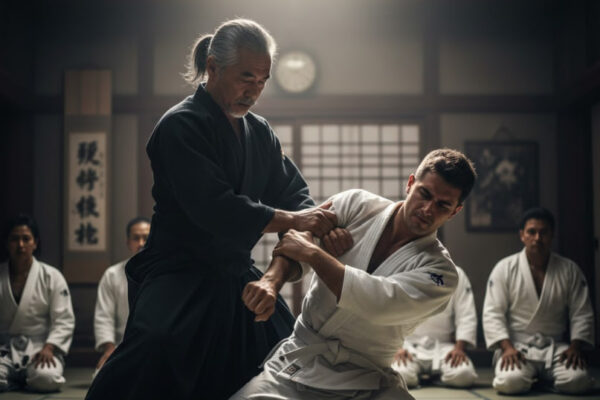
Judo is a martial art developed in Japan in the late 19th century by Jigoro Kano. It emphasizes throws, grappling, and ground control. "Judo" means "the gentle way." It uses balance, leverage, and timing to defeat opponents, not strength.
Key Aspects:
Techniques categorize judo techniques into two main groups:
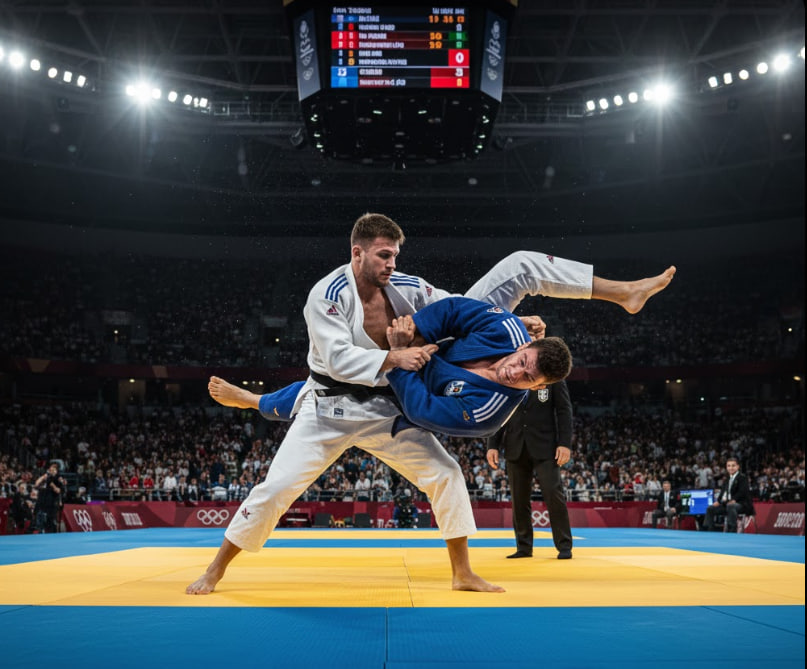
Nage-waza (throwing techniques): They use an opponent's balance and momentum to throw them to the ground. Examples include the hip throw (O-goshi) and the shoulder throw (Ippon Seoi Nage).
Ne-waza (ground techniques): On the ground, practitioners use pins, joint locks, and strangles to control or submit opponents.
Sport and Self-Defense: Judo is a popular competitive sport. It has strict rules and etiquette. But, Judo's principles work in self-defense. A good grasp of leverage and body mechanics can neutralize an opponent.
Judo training usually includes sparring (randori), drills, and kata (pre-arranged forms). Judo's philosophy promotes mutual benefit and respect. It aims to build both physical and mental strength.
Competitive Context:Judo became an Olympic sport in 1964 and has grown in popularity worldwide, with numerous organizations promoting its practice. The International Judo Federation (IJF) governs international competitions and rules.