


Aikido
Morihei Ueshiba founded Aikido, a Japanese martial art, in the early 20th century. It emphasizes harmony and uses an opponent's energy against them. Aikido integrates philosophy, technique, and spiritual practice.
Key Principles:
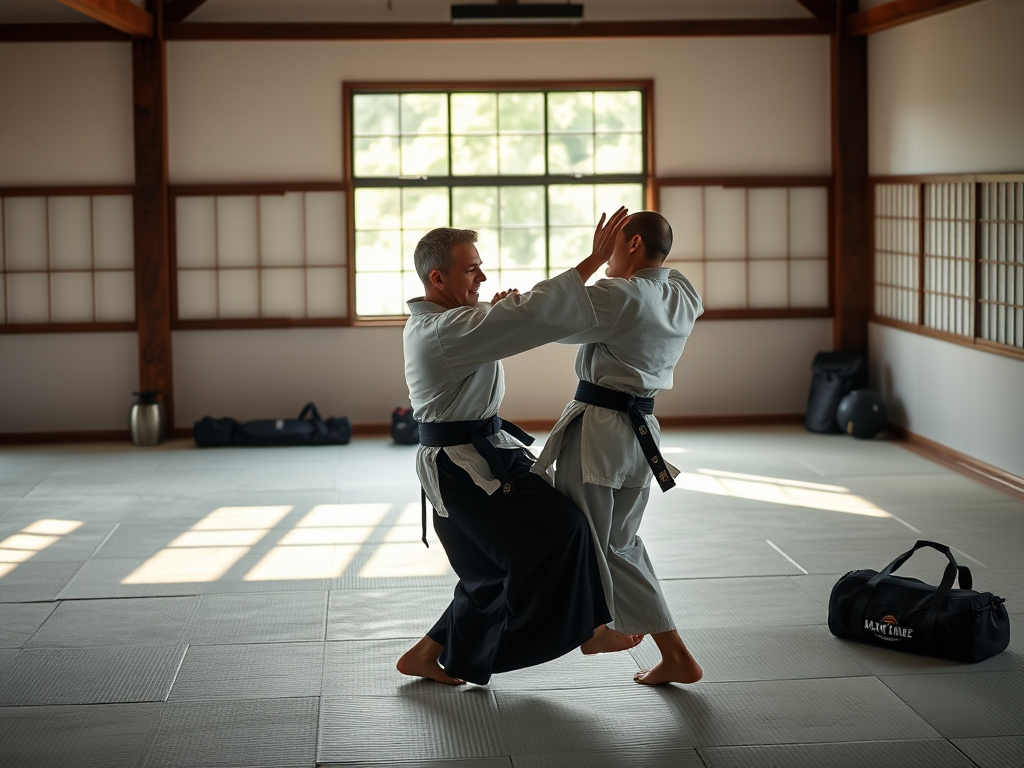
Blending with Movement: Aikido techniques often blend with the attacker's movements. They avoid confronting them head-on. This lets the practitioner redirect the attack's energy into a defense.
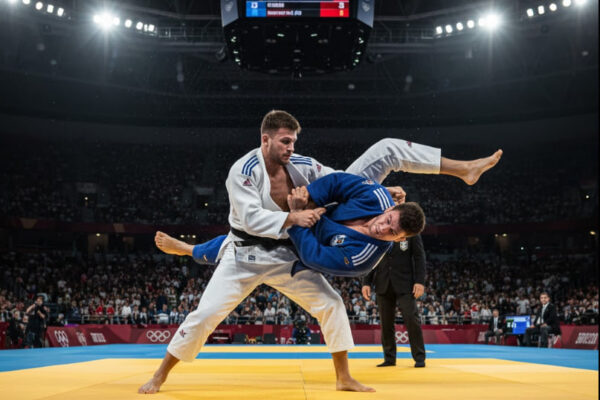
Joint Locks and Throws: The art uses various joint locks and throws. They can immobilize an opponent while minimizing harm. These techniques control the attacker and neutralize aggression with precision.
Non-Violence: Aikido is often regarded as a peaceful martial art. It promotes self-defense, but not injury. It aims to resolve conflict and restore harmony, not to escalate violence.
Training Aspects:
Training in Aikido includes:
Kata (Forms): Practitioners learn specific forms illustrating fundamental techniques and principles. Kata training helps develop muscle memory and understand movement dynamics.
Randori: This is a training method. A practitioner defends against many attackers. It emphasizes staying calm and fluid under pressure.
Philosophical Foundations: Aikido emphasizes personal development, mental discipline, and respect for others. We encourage practitioners to cultivate a mindset of peace and harmony.
Historical Context:
Aikido's roots are in traditional Japanese martial arts, like Jujutsu and Kenjutsu. Ueshiba's spiritual beliefs shaped his vision of Aikido. They gave it a unique focus on harmony and reconciliation in conflict.