
Wing Chun
Wing Chun is a traditional Chinese martial art. It focuses on close-range combat. This 18th-century system has unique techniques and principles. They allow practitioners to defend themselves well in confined spaces.
Key Characteristics of Wing Chun:
Quick Strikes: Wing Chun uses rapid, straight punches to hit an opponent's vital points. This allows for effective offense while maintaining defensive strategies.
Intercepting Techniques: A key Wing Chun principle is to intercept and deflect attacks. This reduces the risk of someone hitting you. It also opens up chances for counterattacks.
Efficient Footwork: Wing Chun's footwork enables swift, agile movement. Practitioners can close the distance or create space as needed with speed. This agility is crucial in adapting to various combat scenarios.
Centerline Theory: Practitioners aim to control the centerline. It is the imaginary line down the body's center. By controlling this line, a Wing Chun practitioner can defend against attacks and set up effective strikes.
Training Methods:Not possible to remove the adverb.
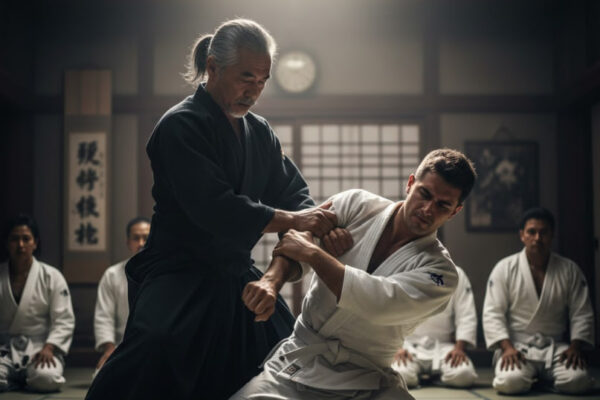
Chi Sau (Sticky Hands): A drill to develop reflexes. Practitioners engage in light contact to feel and respond to an opponent's movements.
Forms Practice: Practitioners learn various forms that incorporate fundamental techniques and movements. This helps build muscle memory and understanding of Wing Chun principles.
Sparring: Controlled sparring lets practitioners test techniques in real time. It honed their skills under pressure.